Facility Pros
Services

Pollution Control Cleaning & Maintenance

Our pledge — peak PCU efficiency, always

Our pledge to each client is to provide the knowledge, tools, and expertise to ensure your pollution control devices are maintained and operating at their maximum efficiency. We strive to provide the best service in the industry and maximize the return on your PCU servicing investment.

Our factory-trained and certified technicians maintain your PCUs in a professional manner — prolonging and ensuring optimal working operation as the units were designed, manufactured, approved, and installed at your location.

Whether your equipment is an electrostatic precipitator or a filter-type unit, and whether it includes mechanical or chemical odor control options, we have over 10 years of service experience and we will keep your equipment operating at factory specifications.

How we work

Our Process

A clear, documented workflow from first call to final report — so you always know what's happening on your roof and in your kitchen. Every step ends with photographs and a written record.

01

Inspection

We open the unit, log ESP voltage, UV hour readings, and filter condition before any work begins.

02

Filter Removal

Pre-filters and ionizer cells are removed, tagged, and staged for cleaning or replacement per client agreement.

03

Deep Clean

Cells are soaked in degreasing tanks while the cabinet interior is scrubbed, rinsed, and inspected for damage.

04

Reassembly

Cells, bulbs, and filters are reinstalled with fresh gaskets and torqued to spec. Wiring harnesses and safety switches are re-tested.

05

Efficiency Test

We re-energize the unit and verify ESP voltage and amperage against factory targets — and make any approved self-cleaning timing adjustments.

06

Report

You receive a maintenance log with readings, photos, end-of-life flags, and a recommended next-service window.

Why pollution control maintenance matters

Air quality regulators across California — SCAQMD and SDAPCD chief among them — set strict limits on visible emissions from commercial cooking operations. A neglected PCU is the fastest way to draw a Notice of Violation.

Energy is the silent cost. A clogged filter bank can push fan motor draw thirty to forty percent above baseline. Quarterly maintenance typically pays for itself in utility savings alone.

Tenants, neighbors, and landlords all notice the smell of a failing PCU long before the regulator does. Staying ahead of it is cheaper than apologizing for it.

Service cadence by cooking volume

Cooking style and daily hours drive PCU loading more than anything else. Most service plans are performed every 30 days or as needed — we tune the exact schedule to your usage during the first walkthrough.

Monthly

High-Volume Operations

Steakhouses, BBQ, wok, and other high-grease concepts running fifteen-plus hours daily belong on a monthly cycle.

Quarterly

Standard Restaurants

Most full-service kitchens hold compliance and efficiency on a three-month rotation.

Semi-Annual

Light-Use Kitchens

Lower-grease menus — sandwich, salad, breakfast-only — generally fit a six-month maintenance interval.

On Demand

Seasonal Venues

Stadiums, banquet halls, and event spaces are best serviced before and after each operating season.

Who we work with

Industries We Serve

Restaurants

Full-service kitchens across every cuisine.

Breweries

Taproom kitchens with smokers and wood-fired pizza.

Industrial Kitchens

Commissaries and central production facilities.

School Cafeterias

District-wide service on coordinated calendars.

Hotels

Banquet, restaurant, and in-room dining lines.

Casinos

24/7 properties with overlapping kitchen operations.

Compliance

Air Quality Compliance Documentation

California's South Coast Air Quality Management District requires verifiable maintenance records for any commercial cooking operation using pollution control equipment. Our reports are formatted to satisfy SCAQMD, SDAPCD, and Bay Area AQMD inspection protocols out of the box.

Every visit produces a digital maintenance log: ESP voltage readings before and after service, UV bulb hour counts, filter condition photographs, and the precise products used during cleaning.

We flag end-of-life components — UV bulbs past their 9,000-hour rating, ionizer cells with arcing damage, filter media that has lost its loft — before they become a compliance issue, with the recommendation in writing and a next-service date.

Air quality maintenance log with technician notes
Service Specialty 01

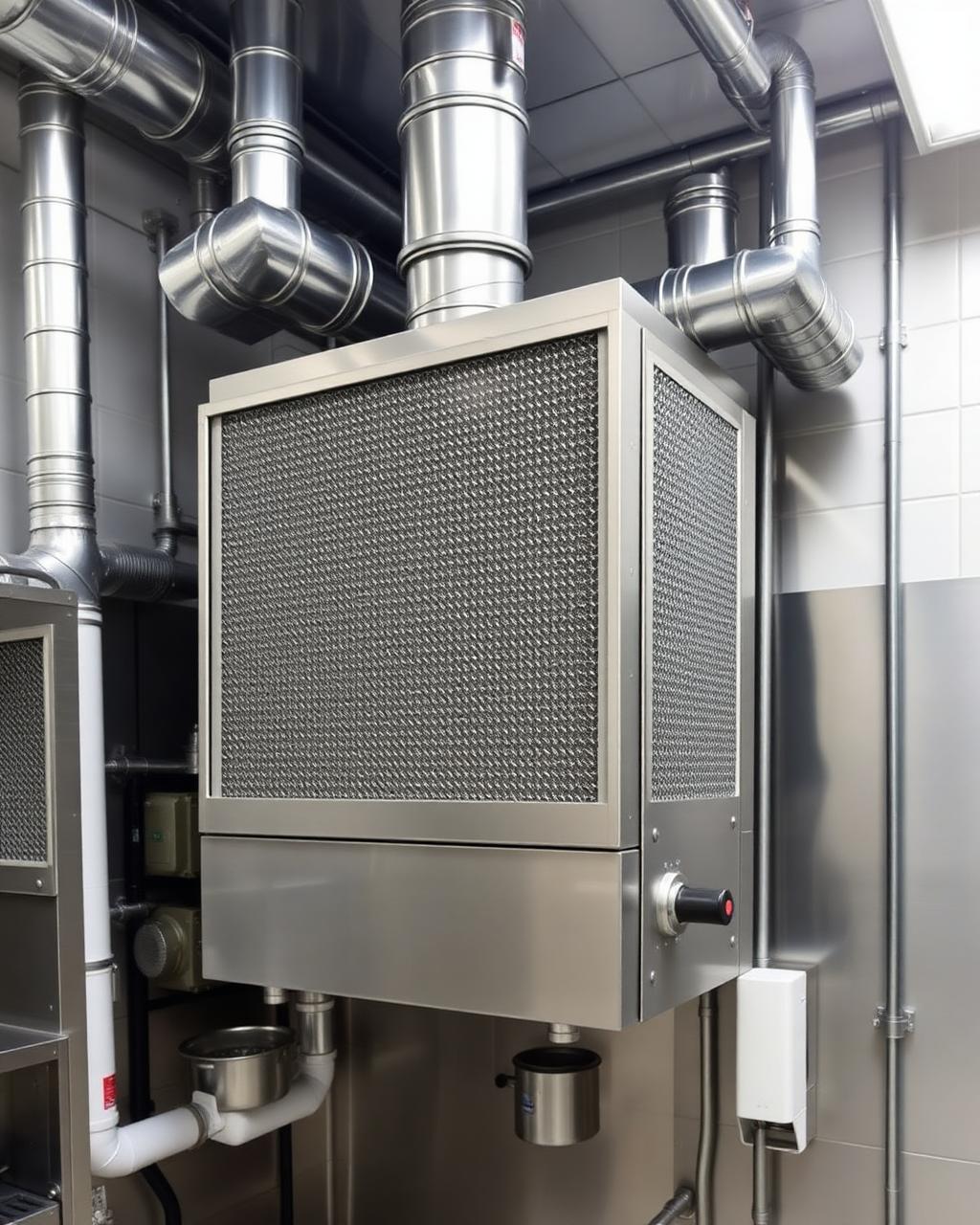
Electrostatic Precipitator (ESP) PCU service

Every ESP service covers the full chain — controls, high-voltage cells, cables, impact filters, and the self-cleaning program — with any irregularities, deficiencies, or damages reported back to client management.

  • Inspect all ESP components from electrical controls to high-voltage particle capture cells to verify proper function
  • Exchange and replace dirty cells with clean cells per client agreement
  • Inspect high-voltage cables supplying operating currents from the power packs to the cells
  • Inspect and clean impact filters on each visit
  • Inspect all ESP self-cleaning components and programming, then adjust timing or settings with prior client approval
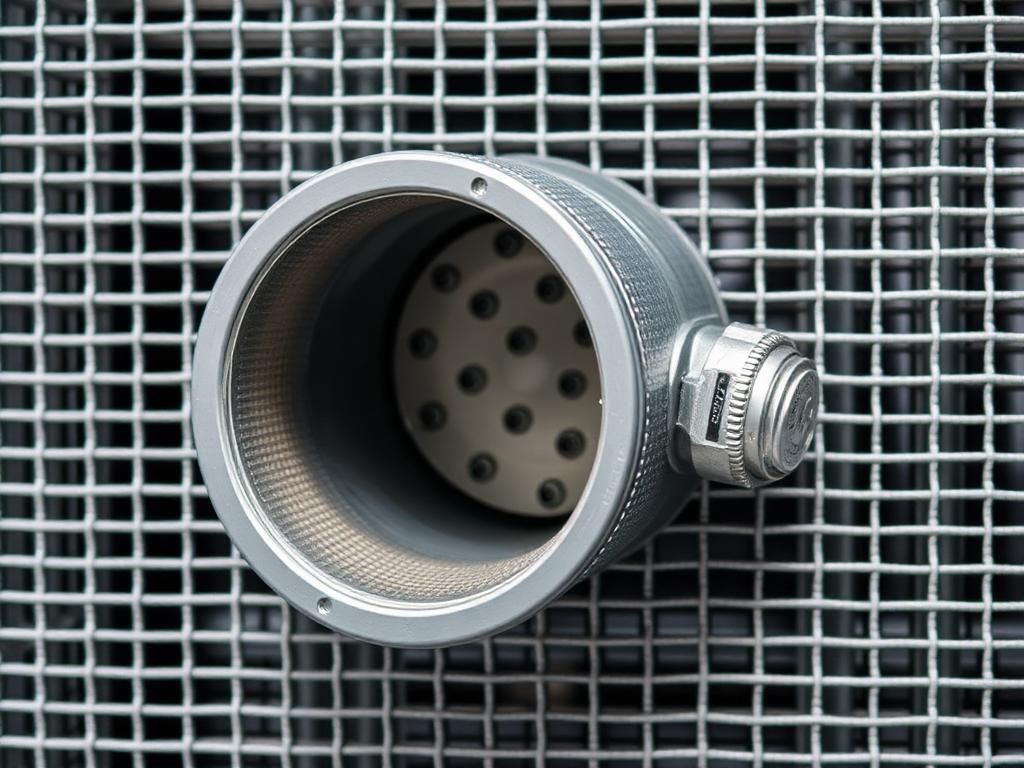
Electrostatic precipitator cell
Service Specialty 02

Filter-type PCU service

For filter-type units we inspect, report, and replace the full primary, secondary, and tertiary filter stages — sized to your kitchen's actual production volume, never a blanket schedule.

  • Inspect and report the condition of every filter-type PCU component — controls through filter stages
  • Determine replacement frequencies over several site inspections based on kitchen production volume
  • Replace primary, secondary, and tertiary filters as necessary, with client approval
  • Inspect and report the status of motor controls, exhaust fan motors, and exhaust fan belts
  • Document every replacement with date, location, and technician for your compliance file
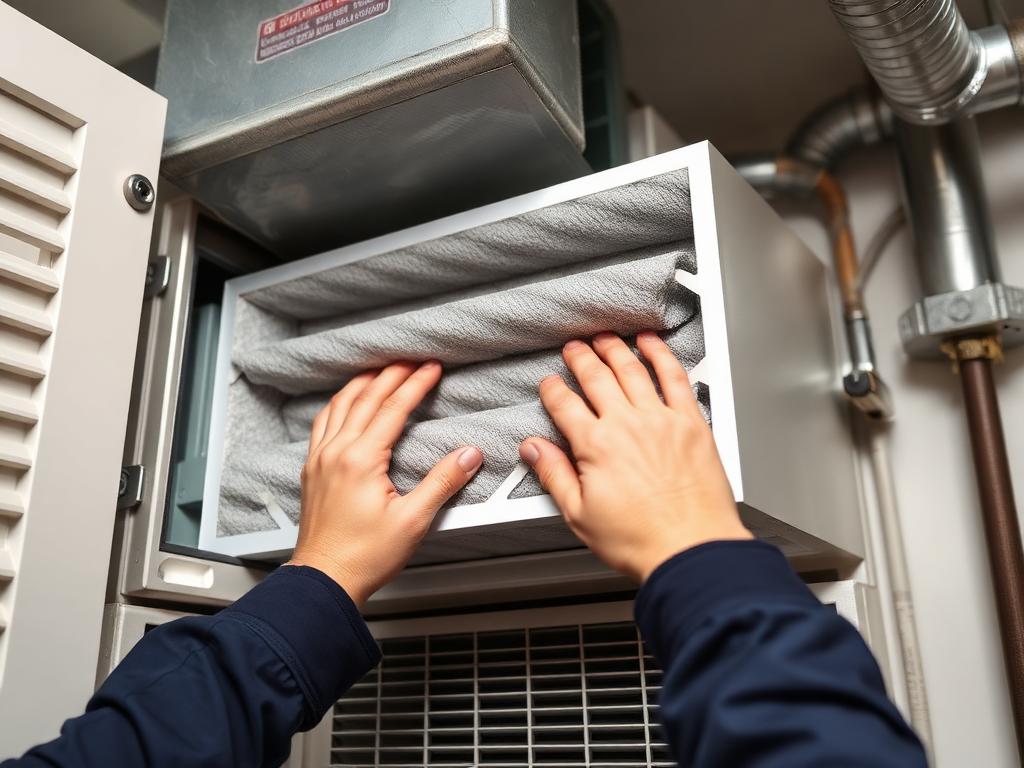
Filter media replacement
Service Specialty 03

Odor control PCU service

Whether your odor control is mechanical media or a chemical liquid system, we handle inspection, scheduled replacement, and environmentally responsible disposal — so the only thing your neighbors smell is dinner service.

  • Inspect, report, and replace mechanical odor control media as required and approved
  • Inspect, report, and replace chemical odor liquids as required and approved
  • Dispose of expired odor control media in a safe, proper, and environmentally friendly manner
  • Track media life and proactively schedule replacement before complaints start
Service Specialty 04

UV ventilator service & UV hood cleaning

Our UV protocol meets or exceeds NFPA 96 and OSHA safety standards for kitchen exhaust system cleaning — emitter modules through ductwork, with before-and-after photography on every job.

  • Clean UV emitter modules and the UV system housing, including the back sides of mesh filters
  • Protect all UV electrical components from water and chemicals during cleaning
  • Soak plenums with chemicals and pressure-wash with hot water
  • Clean and polish all hood canopies, access doors, and lock handles
  • Replace UV tubes when needed and inspect/test all wiring harnesses, safety switches, and pressure switches
  • Spray, scrape, and steam ductwork and main exhaust fan with degreasers — before and after photos taken of all work
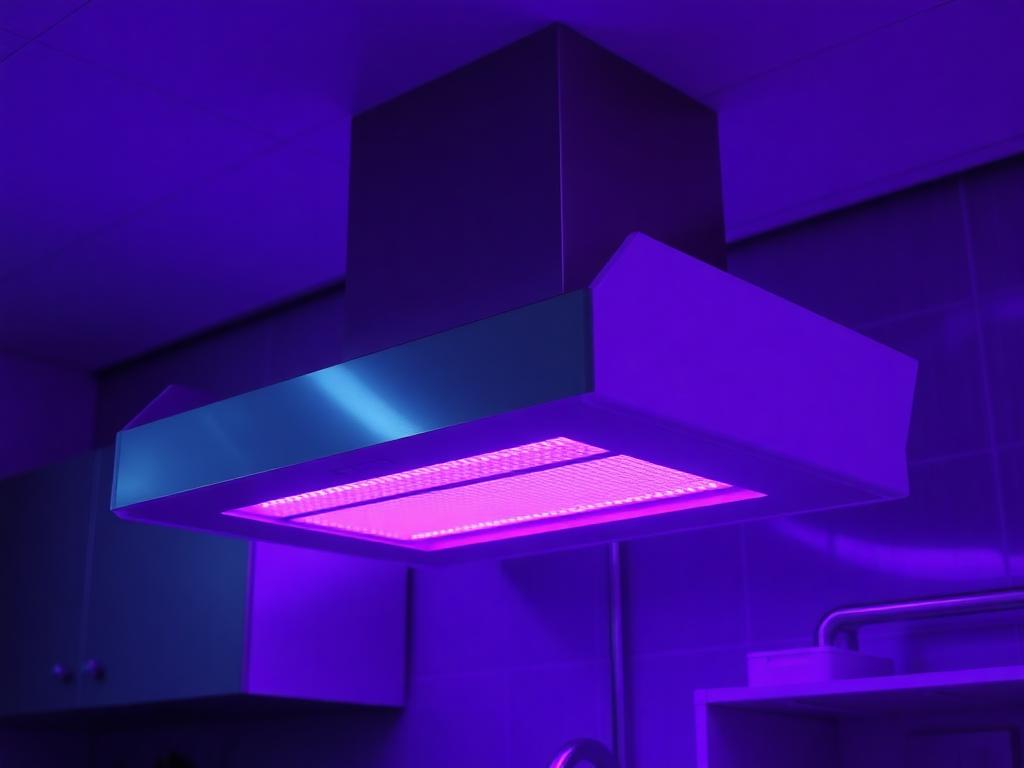
UV ventilator hood

What Clients Say

Our taproom kitchen sits over a residential street. After a few smoke complaints we put the crew on a monthly PCU rotation and the calls stopped. Their efficiency reports also helped us argue down a permit issue.

Daniela Vasquez

Owner, North Park Brewing Co.

I've used three other vendors and nobody else actually pulls the cells for shop cleaning. These guys do, and our ESP voltage stays in spec for the whole quarter. Worth every dollar.

Karim Bouzid

Director of Facilities, Pacific Resort Group

Bring Your Pollution Control Unit Back to Spec

Send us a few details and a Facility Pros specialist will reach out the same business day with a clear, no-pressure quote.

Prefer to talk?

(877) 702-3835

Monday–Friday, 9AM–5PM

Preferred Contact Method